









Shop by Category
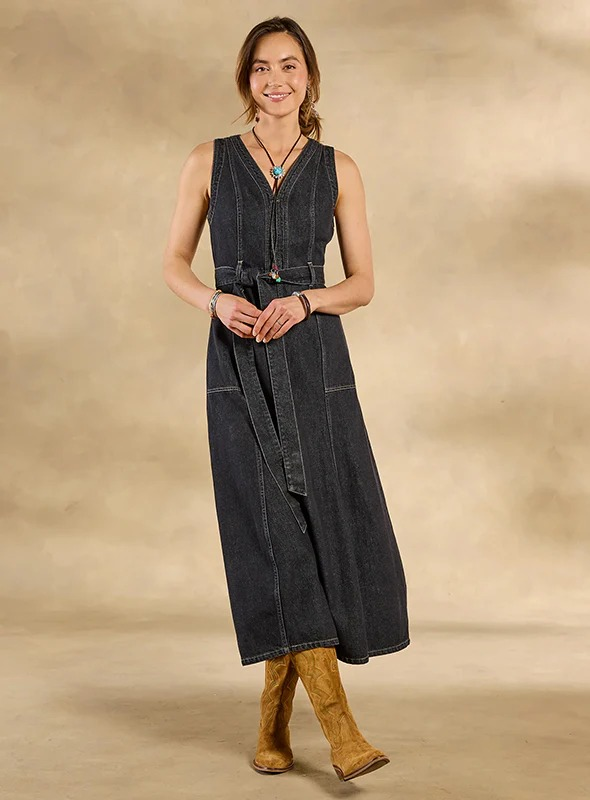
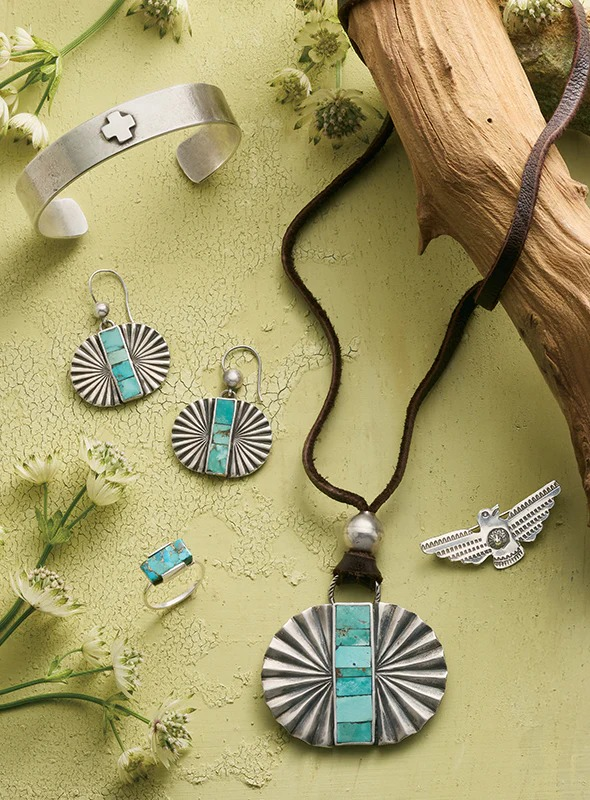
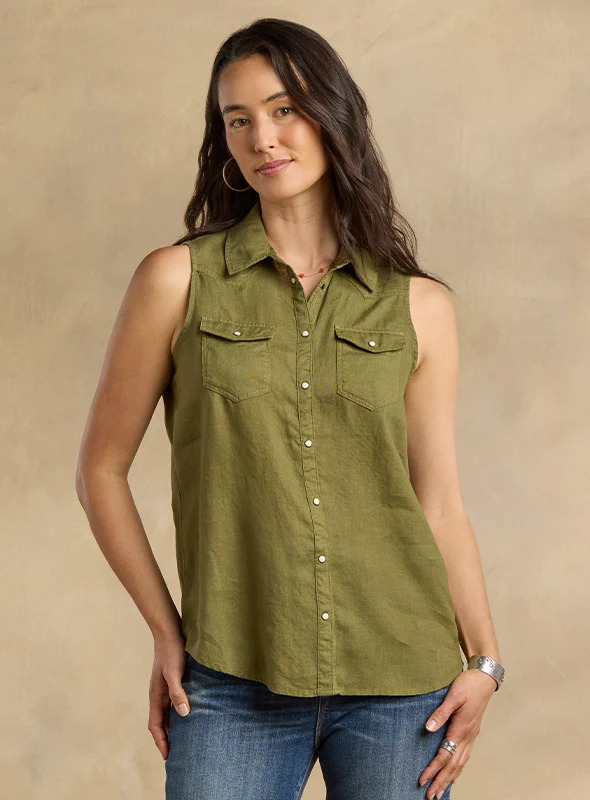
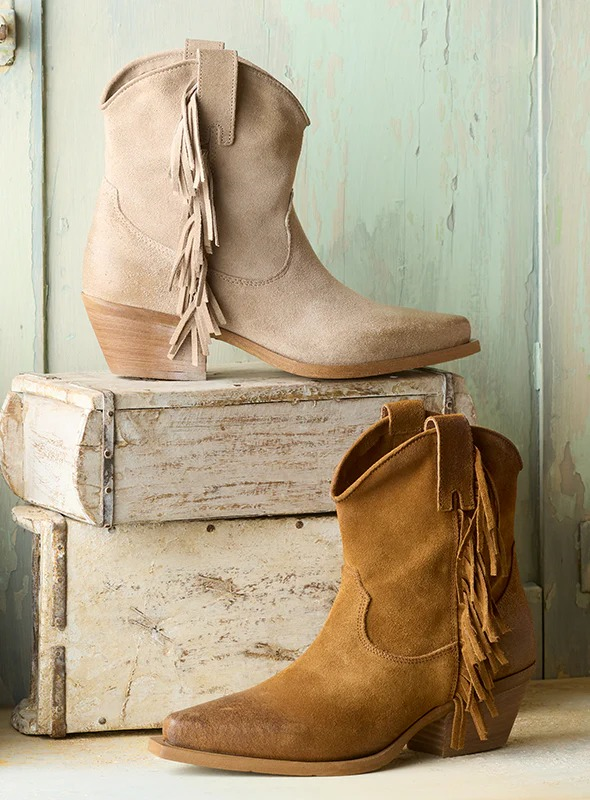
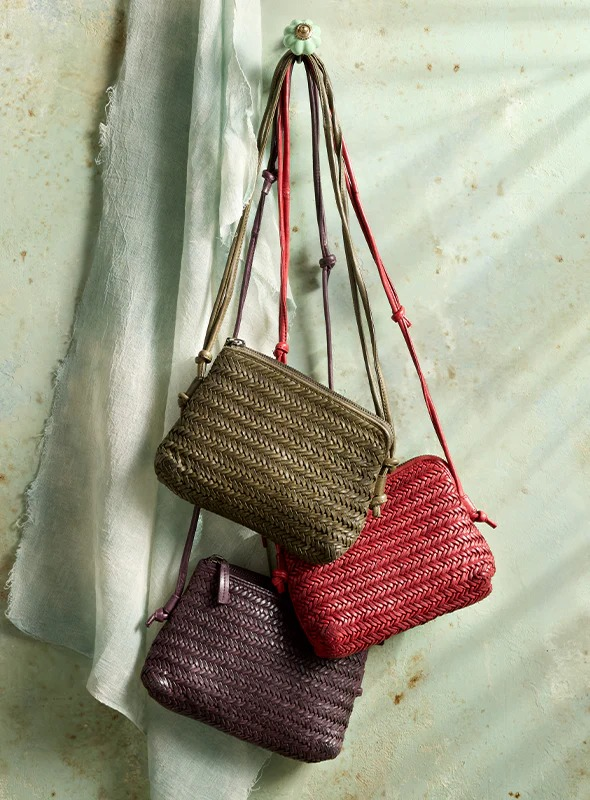
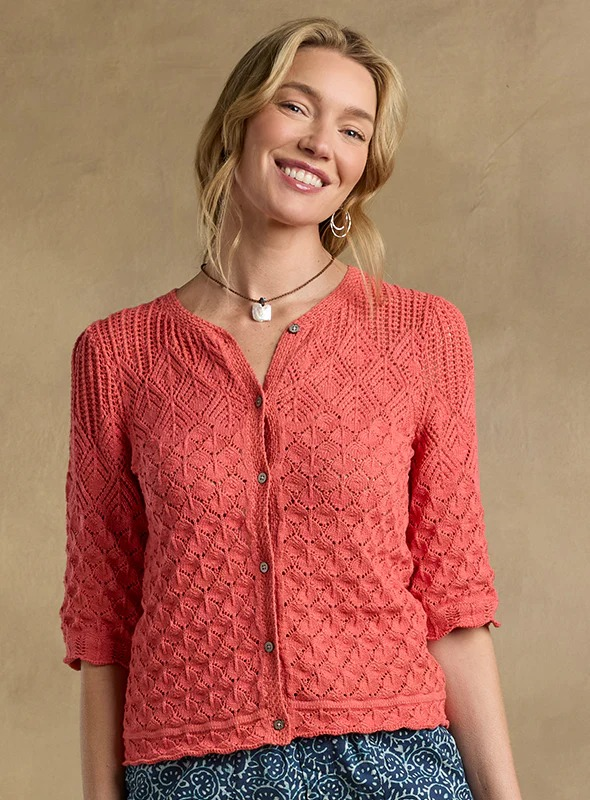
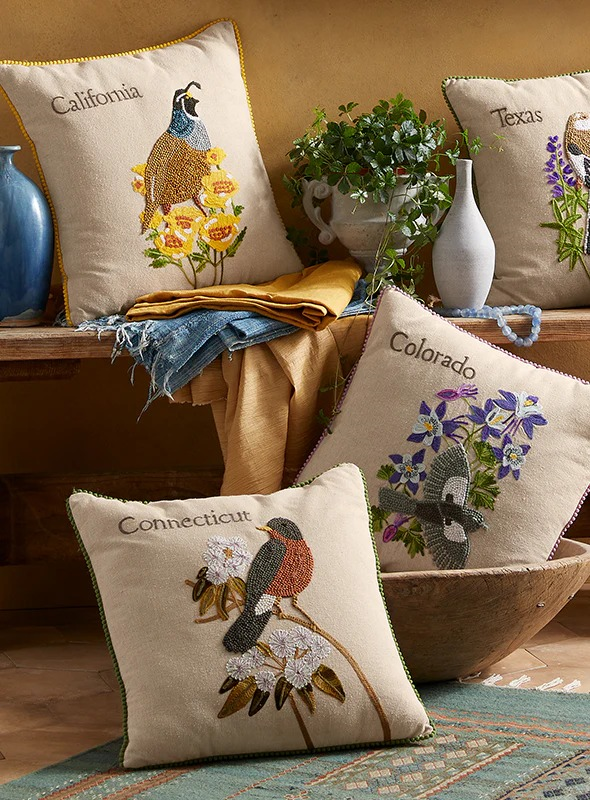
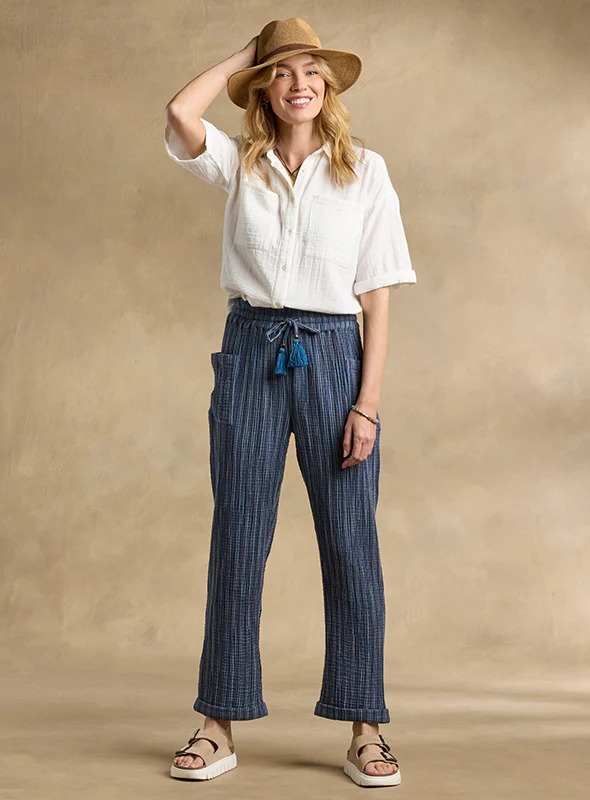
Classic Recommendation.
The Ever-Evolving Tapestry: A Chronicle of Women’s Fashion
Fashion, at its core, is a dialogue. It is a conversation between the wearer and the world, a non-verbal narrative woven from textiles, silhouette, and color. For women, this dialogue has been particularly resonant, reflecting, challenging, and often propelling societal shifts through the centuries. To chronicle women’s fashion is to map a fascinating journey of liberation, empowerment, and endless creativity—a journey that continues to unfold on runways, in street style, and within the intimacy of the personal wardrobe.
The history of women’s attire is a compelling case study in the power of appearance. In earlier eras, clothing was a stark delineation of status and societal role. The voluminous layers, cinched waists, and restrictive undergarments of the past, while visually splendid, often served as physical metaphors for the constraints placed upon women. These garments were not merely aesthetic; they dictated posture, limited movement, and publicly announced one’s position within a rigid social hierarchy. However, even within these confines, the seeds of individual expression were sown. Subtle changes in trim, the choice of a specific dye, or the arrangement of an elaborate headdress allowed for personal flourish, hinting at the yearning for self-definition that would eventually blossom.
The turn of the 20th century marked a profound rupture. As women entered the workforce and advocated for greater rights, fashion became an active agent of change. The revolutionary move away from the corset was more than a change in foundation; it was a powerful act of physical and symbolic freedom. Designers began to experiment with looser, more practical silhouettes that accommodated an active, modern lifestyle. This era saw the introduction of tailored suits for women, drawing inspiration from menswear and symbolically claiming a stake in professional and public life. Attire became less about ornament and more about functionality and a streamlined modernity, a tangible expression of a shifting power dynamic.
The mid-century further diversified the sartorial landscape. Post-war exuberance and a focus on domesticity briefly reintroduced highly structured, overtly feminine aesthetics, but the undertow of innovation was too strong to be halted. The youthful, rebellious energy of the 1960s exploded onto the scene, bringing with it an unprecedented shortening of hemlines and a playful embrace of geometric shapes, synthetic fabrics, and bright, unapologetic colors. This period solidified the idea that fashion could be a form of counter-culture, a visual rejection of the previous generation’s norms. It was a time when style became democratized, with trends flowing not just from high society, but increasingly from the streets and youth movements.
The decades that followed have been characterized by an acceleration of change and a move toward eclecticism. The disco-glam of the 70s, the power-dressing and avant-garde experimentation of the 80s, and the minimalist reaction of the 90s each provided a distinctive aesthetic chapter. What unites these eras is the growing understanding that there is no single, monolithic definition of women’s dress. The closet became a place of self-curation, a personal archive of styles that could be mixed, matched, and subverted. The rise of sportswear, the embrace of denim as a year-round staple, and the blurring of lines between formal and casual attire all point toward an overarching desire for comfort and authenticity in expression.
Today, the landscape of women’s fashion is arguably the most multifaceted it has ever been. The digital age has shattered traditional trend cycles, replacing them with a constellation of micro-trends and highly personalized aesthetics. The conversation is no longer dictated by a handful of tastemakers; it is a global, interactive forum. This hyper-connectivity means that historical styles are constantly being revived, reinterpreted, and juxtaposed with futuristic elements. A contemporary wardrobe might seamlessly integrate vintage pieces, ethically sourced materials, cutting-edge technical fabrics, and influences drawn from disparate cultures and subcultures.
One of the most defining characteristics of modern women’s attire is the absolute triumph of individuality. The concept of “personal style” has eclipsed rigid adherence to seasonal trends. This is a profound development, as it places the authority of dress squarely with the wearer. A woman can choose to embrace the fluid elegance of oversized tailoring, the bold statement of maximalist prints, or the quiet luxury of timeless classics—sometimes all in the same week. The key is intentionality. Every choice, from the texture of a knit to the cut of a trouser, contributes to a carefully composed public self.
The current emphasis on sustainability and ethical consumption is also reshaping the industry. Fashion is increasingly being examined through the lens of its environmental and social impact. This scrutiny has led to a growing appreciation for longevity, quality, and transparent sourcing. The fast-paced consumption model is being challenged by a conscious return to investing in fewer, better items, and a thriving market for pre-loved and re-purposed garments. For the modern consumer, what a garment represents—in terms of its provenance and ecological footprint—is becoming as important as how it looks.
Furthermore, the lines that once separated gendered clothing are dissolving at a rapid pace. Androgynous styles, once a niche statement, are now integrated into mainstream offerings, giving women greater freedom to experiment with traditionally masculine silhouettes and pieces. This fluid approach to dressing reflects a broader cultural acceptance of gender diversity and personal expression, cementing fashion’s role as a mirror of evolving social norms.
In conclusion, women’s fashion is far more than an industry; it is a powerful cultural artifact. It charts the progression of female autonomy, reflects political and economic climates, and serves as an inexhaustible wellspring of creative energy. From the structured elegance of the past to the boundless, personalized eclecticism of the present, the journey of women’s clothing is a testament to the enduring human need for self-expression. Each garment is a chapter, each outfit a paragraph, in the continuous, self-authored narrative of the individual who chooses to wear it, making the daily act of getting dressed a silent, powerful declaration of identity in the modern world. The tapestry of women’s style remains unfinished, continually being rewoven with every new season, every new trend, and, most importantly, every single conscious choice made by the wearer.